Spatial Evolution Modeling
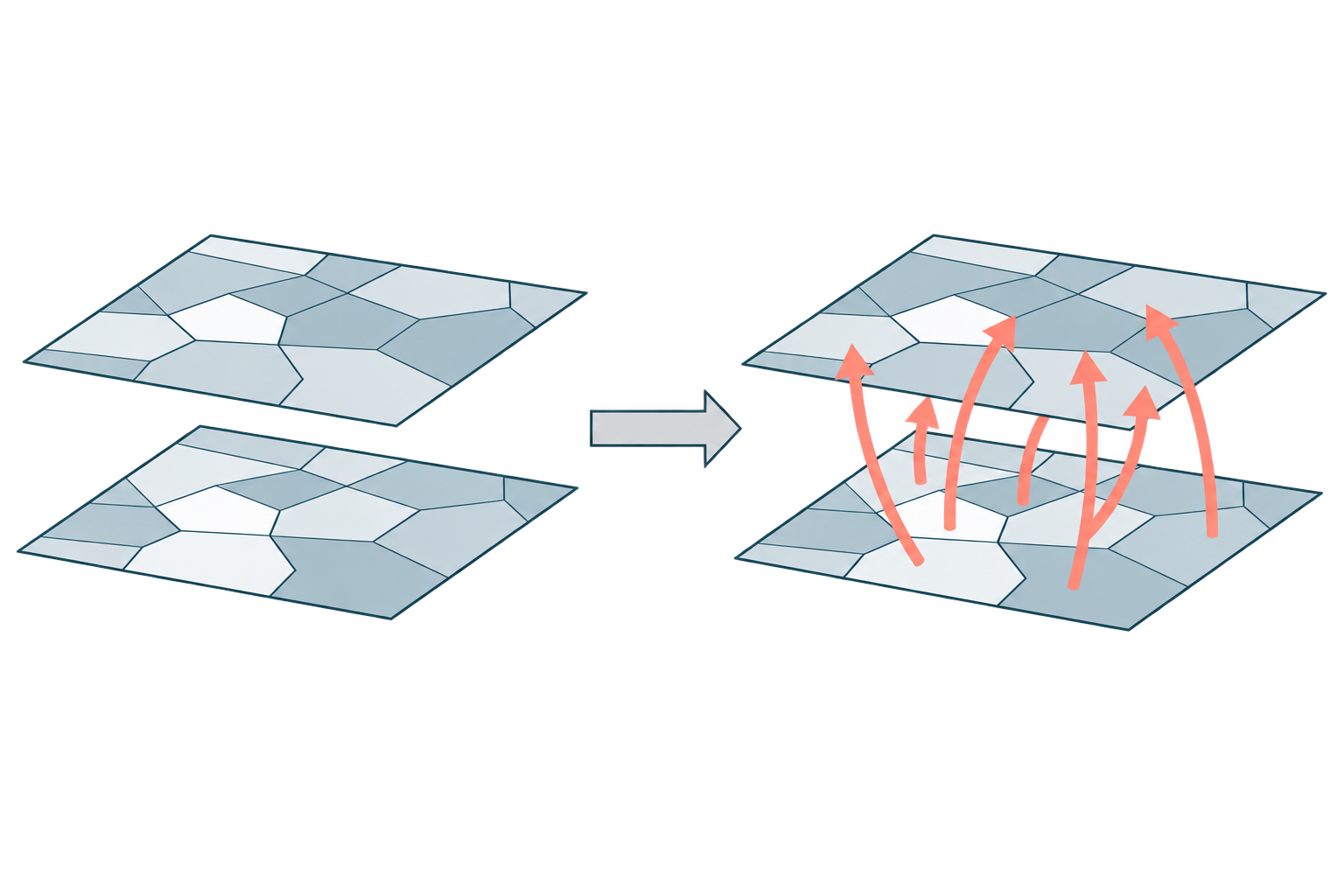
Developing spatially explicit approaches to model dynamic changes, dependencies, and interactions across geographic systems.
PhD candidate in Geography, Environment & Society at the University of Minnesota, Twin Cities.
Before I came to UMN, I obtained a B.S. in Geographic Information Science from China University of Geosciences, Beijing, and studied in the Spatial Data Science program at the Spatial Sciences Institute of the University of Southern California. My research interest lies in detecting, inferring, and interpreting spatial evolutionary processes, using current machine learning or deep learning methods.
“Πάντα ῥεῖ — Everything flows.”
Heraclitus
Developing spatially explicit approaches to model dynamic changes, dependencies, and interactions across geographic systems.
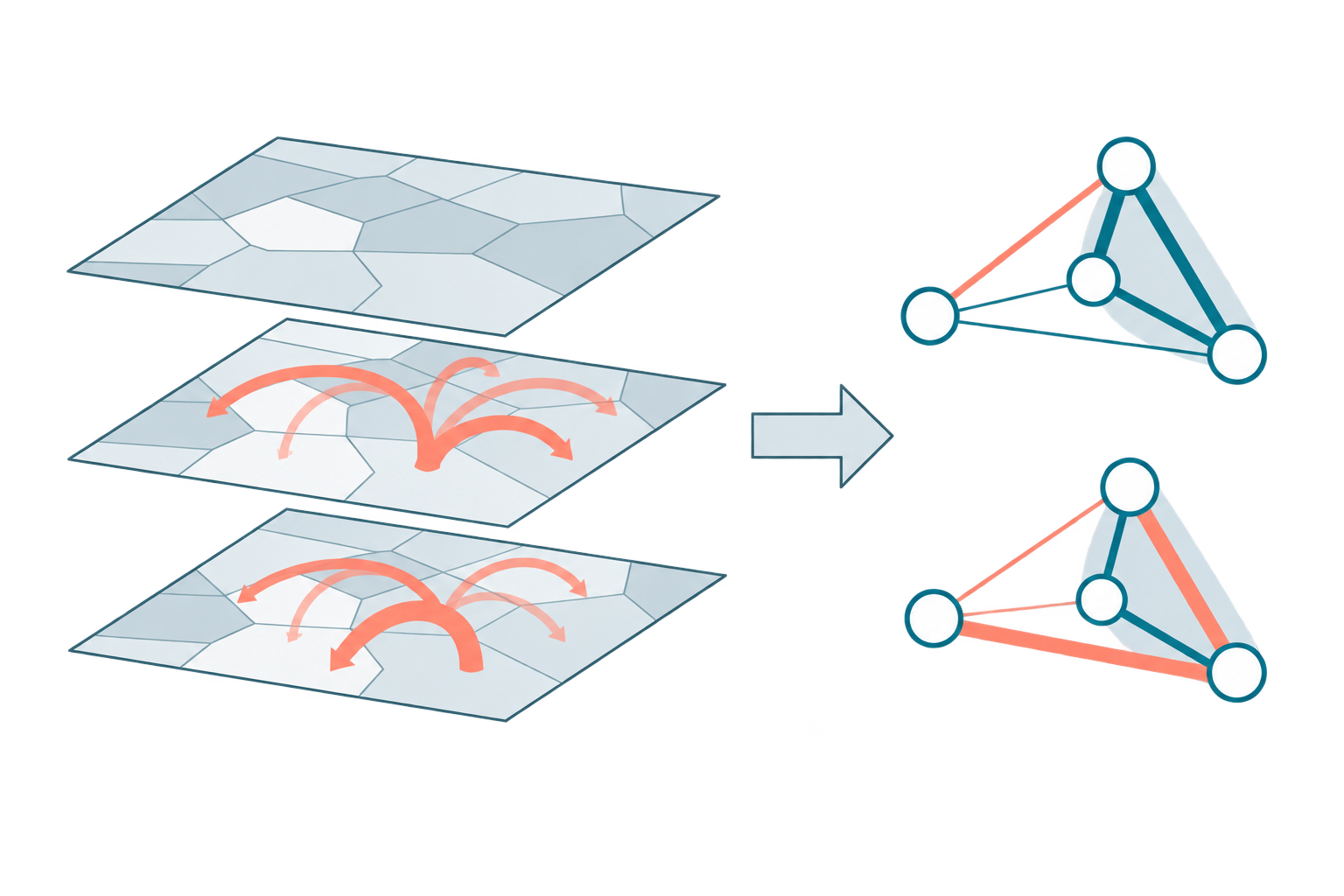
Developing computational approaches to characterize spatial interactions, network structures, and their variations across geographic systems.
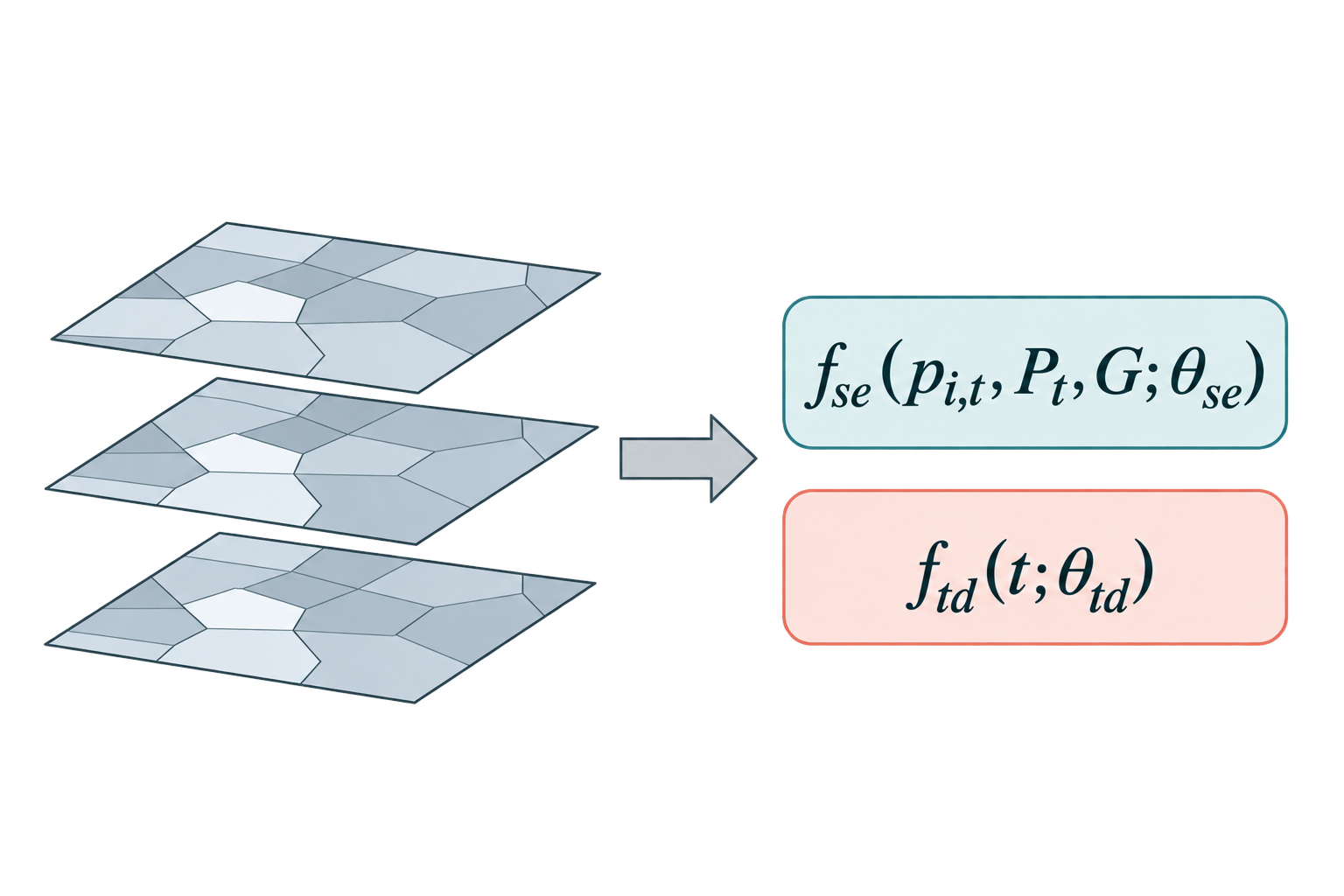
Developing data-driven approaches to identify interpretable mechanisms and governing relationships underlying geographic processes.
In The 34th ACM International Conference on Advances in Geographic Information Systems, 2026.
In Proceedings of The Second Annual Conference of Cartography and Geographic Information Society, 2026.
International Journal of Geographical Information Science, 40(4), 918–946, 2026.
IEEE Transactions on Pattern Analysis and Machine Intelligence, 48(3), 2380–2397, 2026.
In The 8th ACM SIGSPATIAL International Workshop on AI for Geographic Knowledge Discovery (pp. 45–48), 2025.
International Journal of Geographical Information Science, 39(1), 86–117, 2025.
In X. Huang, X. Ye, K. Stewart, & S. Das (Eds.), Urban Human Mobility: Practices, Analytics, and Strategies for Smart Cities (Chapter 15). CRC Press. ISBN: 9781032821627, 2025.
Current Issues in Tourism, 26(18), 2965–2980, 2023.
Under review
Transactions in GIS, 2026.
In progress
2026.
Preprint
arXiv:2603.19537 [physics.soc-ph], 2026.
No publications in this category yet.
College of Liberal Arts, University of Minnesota
American Association of Geographers
American Association of Geographers
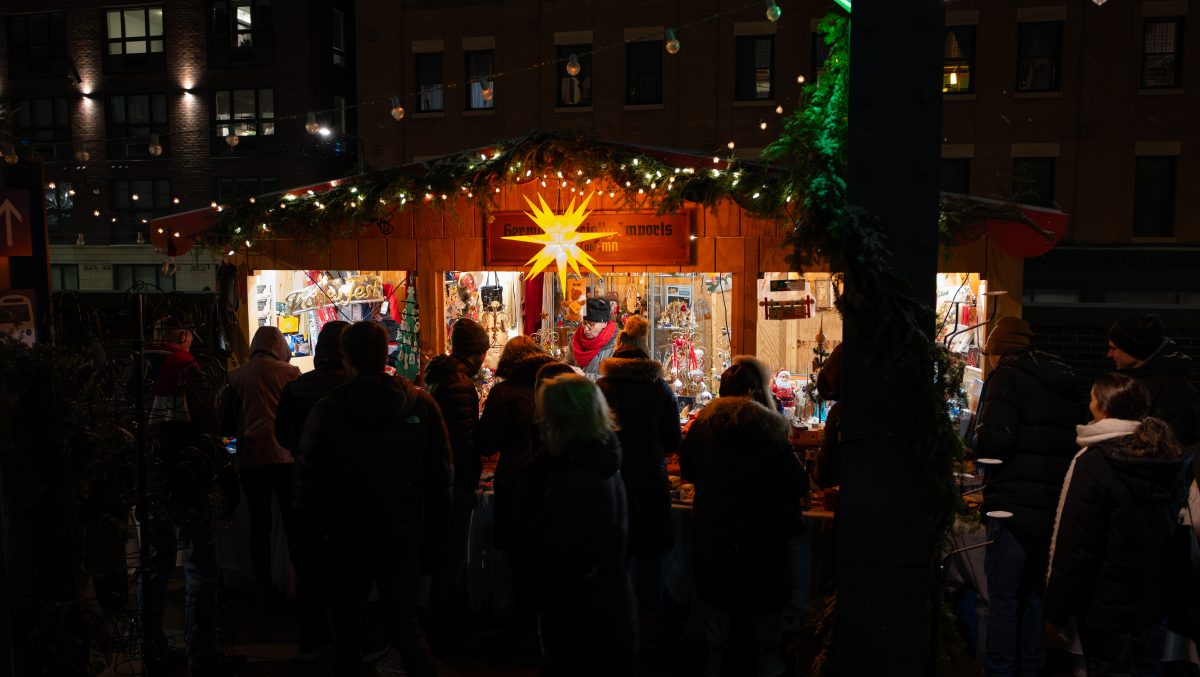
Here are some photos I have taken during travel, city walks, and everyday moments.

For research conversations or collaboration, email Zhongfu Ma through the University of Minnesota address below. A current CV is also available below.